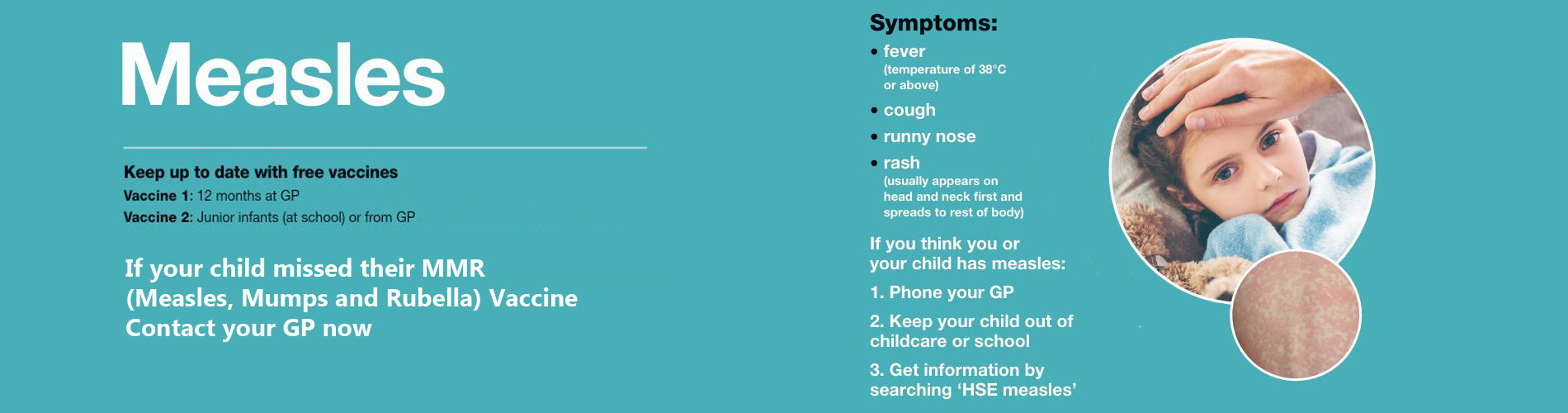
MMR is a vaccine that protects against measles, mumps and rubella
The MMR vaccine is a combination vaccine that provides immunity against three serious viral diseases: measles, mumps and rubella (German Measles)
It contains live, weakened viruses of these diseases, which stimulate the immune system to recognise and fight the viruses without causing the full-blown illness.
Vaccinations remain the best defence against infection, so it is very important that children attend their routine vaccination appointments and catch up on any they may have missed.
Measles symptoms and complications
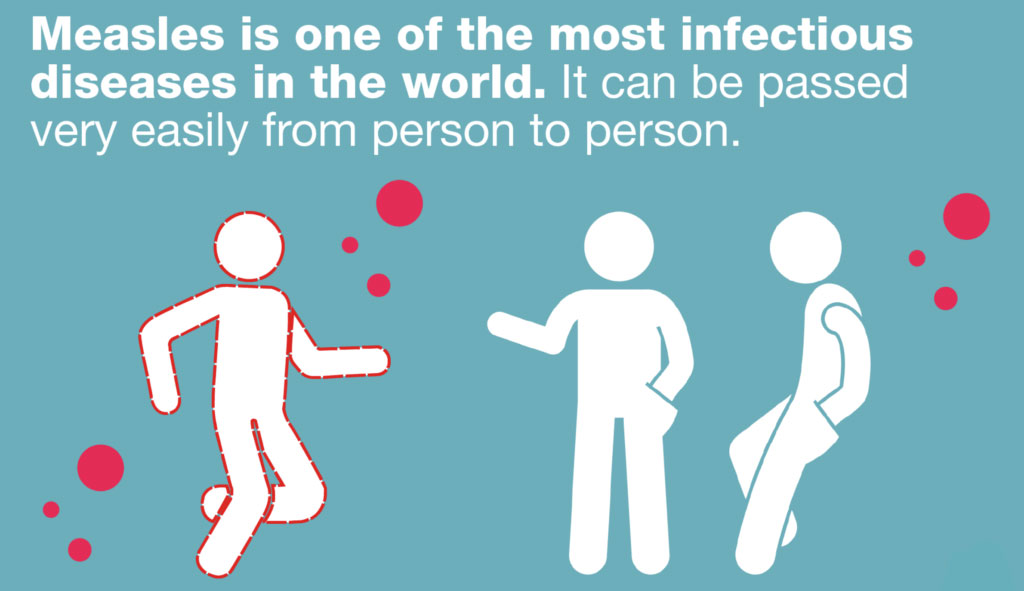
Measles is caused by a virus and spreads very easily, it used to be common in childhood but is now rare due to the MMR vaccination programme.
When you catch it, at first it can feel like you have a cold with a runny nose and a cough, sore red eyes (conjunctivitis) and a fever, but this is followed a few days later by a rash that spreads all over the body. Most people will feel better after 7 to 10 days, however measles can lead to complications such as ear and chest infections, fits and diarrhoea and dehydration in younger children. On rare occasions measles can also lead to infection of the lining of the brain and spinal cord (meningitis) or brain itself (encephalitis) which can lead to long term disabilities or even death.
MMR Vaccine
The MMR vaccine is a combination of three vaccines in one shot. It helps protect you from measles, mumps and rubella, three potentially serious viral illnesses. Healthcare providers recommend two doses. Kids usually get one dose between the ages of 12 and 15 months and another between the ages of 4 and 6.
Research Findings
The Infection Prevention and Control Research Review reported:
Aerosol and surface stability of SARS-CoV-2 as compared with SARS-CoV-1
Summary: This letter to the editor was received from researchers who evaluated the stability of SARS-CoV-2 and SARS-CoV-1 (the most closely related human coronavirus) in artificially-generated aerosols and on five different surfaces and estimated their decay rates using a Bayesian regression model. SARS-CoV-2 remained viable and infectious in aerosols for 3 hours and on plastic and stainless steel for <72 hours suggesting that aerosol and fomite transmission of SARS-CoV-2 is plausible. The stability of SARS-CoV-2 was found to be similar to that of SARS-CoV-1 indicating that differences in the epidemiologic characteristics of these viruses probably arise from other factors such as high viral loads in the upper respiratory tract and the potential for SARS-CoV-2-infected individuals to shed and transmit the virus while asymptomatic.
Comment (MA): This is a well conducted study that is important in the understanding of transmission routes of SARS-CoV-2. As opposed to PCR positivity, the methodology looks for culturability of the virus, probably a better indicator of potential transmissibility. With regard to fomites (plastic, stainless steel, copper, and cardboard), it found SARS-CoV-2 survived longest on plastic. Yet another reason to move towards a plastic-free society! The study also showed survivability of SARS-CoV-2 for up to 3 hours in artificially-generated aerosols, offering the theoretical possibility of aerosol transmission. However, as a more “real-life” study did not provide any evidence to support this hypothesis I don’t think the question of aerosol transmission of SARS-CoV-2 has been completely settled yet. Nevertheless, this study may provide some putative evidence for the use of N95 masks in high-risk healthcare settings.
- Reference: N Engl J Med. 2020;382(16):1564–1567
Abstract